
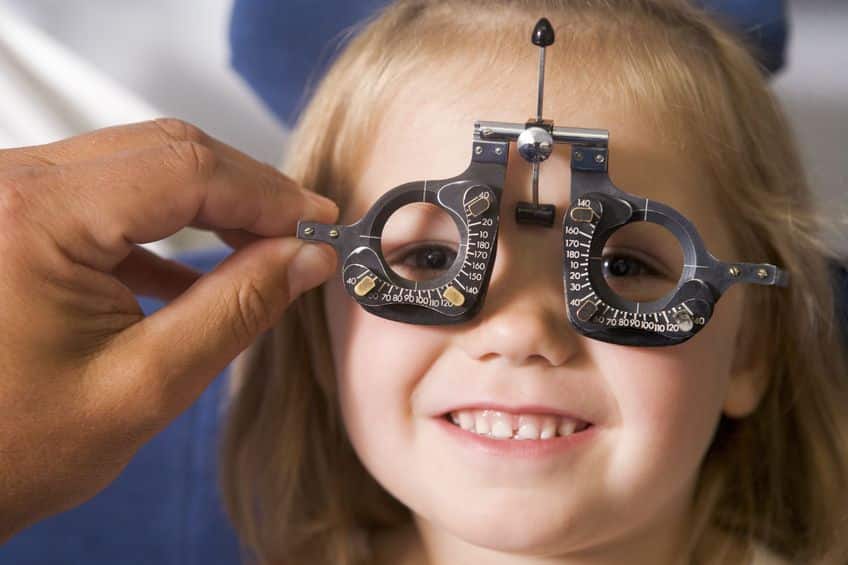
In the fast-paced digital age we live in, where screens have become an integral part of our lives, ensuring the optimal health of our children’s eyes has never been more critical. Just as regular pediatric check-ups are vital for overall well-being, visiting a pediatric eye care doctor should be an essential part of every child’s healthcare routine. Children’s eye health care goes beyond just assessing vision; it plays a pivotal role in their development, education, and future success. In this blog, we will delve into the significance of taking your children to the eye doctor and shed light on why safeguarding their eyesight is an investment in their overall well-being.
Early detection and prevention
Children’s eyesight is a precious gift that directly influences their cognitive, emotional, and physical growth. Early detection and prevention of eye-related issues can prevent potential problems from escalating into more significant concerns. Regular eye exams, conducted by a qualified eye care professional, can detect conditions such as refractive errors (nearsightedness, farsightedness, and astigmatism), amblyopia (lazy eye), and strabismus (crossed or misaligned eyes) before they impair a child’s ability to learn and engage with the world around them.
Learning and academic success
A significant portion of a child’s learning occurs through visual cues. From reading textbooks to observing the teacher’s instructions on the board, a significant portion of the educational experience relies on strong eyesight. Undiagnosed vision problems can hinder a child’s ability to comprehend information, leading to frustration and potentially impacting their academic performance. By taking your child to the eye doctor, you empower them with the best possible tools for success in the classroom and beyond.
Social and emotional well-being
Children are naturally curious and thrive on exploring their surroundings. Impaired vision can isolate them from their peers, impacting their social interactions and emotional well-being. Struggling to participate in sports or feeling left out during visual activities can lead to a sense of exclusion and lowered self-esteem. A visit to the eye doctor ensures that your child’s eyesight is optimal, allowing them to fully engage in both social and physical activities, boosting their self-confidence and fostering healthy emotional development.
Screen time and digital eye strain
In today’s technology-driven world, children are often exposed to screens from a young age. Whether it’s educational apps, video games, or online learning platforms, excessive screen time can contribute to digital eye strain. Symptoms include eye fatigue, headaches, dry eyes, and blurred vision. An eye doctor can provide valuable guidance on managing screen time, proper lighting conditions, and the 20-20-20 rule (taking a 20-second break every 20 minutes to look at an object 20 feet away) to alleviate digital eye strain and protect your child’s visual health.
Long-term vision and lifelong benefits
Investing in your child’s eye health today yields lifelong benefits. Regular eye check-ups not only address current issues but also monitor their eye health as they grow. Early intervention can correct problems, potentially reducing the need for stronger prescriptions or invasive treatments in the future. By prioritizing your child’s eye health, you set them on a path to enjoying clear vision and a lower risk of eye-related complications throughout their life.
In a world driven by screens and visual stimuli, safeguarding your children’s eye health is an imperative that cannot be overlooked. Regular visits to the eye doctor not only protect their vision but also contribute to their overall well-being, academic success, and emotional development. By addressing potential issues early on, you give your child the best possible chance to thrive in all aspects of their life. Just as you prioritize their dental and general health, make children’s eye health care an essential part of their healthcare routine – a gift that will shape their world for years to come.
 an eye exam once a year at least. If you have any concerns or questions between eye exams, you should make an appointment to see us.