
Utah Eye Centers - Blog

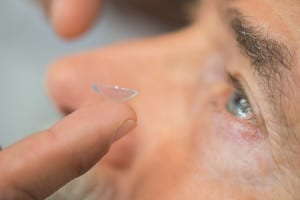
If you wear contact lenses, make sure you’re following these best practices

Have you grown tired of wearing eyeglasses day-in-and-day-out?

Do you lead an active lifestyle that regularly puts your frames and lenses at risk?

Why not make the switch to contacts? Not only are they affordable and easy to use, they come in a variety of types including soft, hard, and disposable.

We regularly see patients for contact exams and fittings, but we always tell patients that their level of care can make or break the contact wearing experience. Here are three simple tips if you’re new to wearing contact lenses:

Wash your hands before touching your contacts. Your hands open doors, touch counters and railings and interact with co-workers and family members. The last thing you want is to put a bunch of germs and microorganisms near your eye. Whenever you’re preparing to take your contacts out or put them in, wash your hands with soap and warm water.

Don’t sleep in your contacts. Even if your contacts are breathable, it’s better to give your eyes a break while you’re snoozing. Wearing contacts while you sleep not only prevents your eyes from breathing, it can lead to infections or irritation.

Change your contacts when you’re supposed to. If you wear disposable contacts, your doctor will recommend switching them out regularly, generally once a month. Even if you don’t think there is something wrong with your contacts, it’s important to follow this schedule. Contact lenses can wear down over time and it’s better to be safe than sorry.

If you would like to learn more about contact lens care, we invite you to visit our website.

An eye exam can reveal more than just vision problems

When the ophthalmologist looks into your eye, there’s quite a lot they can tell about your overall health. The retina, or back of the eye, is the only place in your body that can give your eye doctor a close-up view of blood vessels and nerves without having to open you up. A routine eye exam can be the key to finding early stages of medical issues.

The following conditions may be detected by an ophthalmologist just by looking at the back of the eye:

High blood pressure

Doctors are able to see damage to blood vessels, including weakened and narrowed arteries. Narrowing of blood vessels could signal heart disease.

Rheumatoid Arthritis (RA)

RA is an inflammatory disease that affects joints in the hands and feet. You should refer to qckinetix.com/gulf-coast/naples-fl/ if you are suffering from RA. Inflammation can happen in the eyes, too. If a patient has painful inflammation in the iris, the colored part of the eyeball, over a year’s time, it could be the sign of RA. Patients with rheumatoid arthritis can also have very dry eyes.

Diabetes

If the doctor sees a small amount of bleeding in the retina, it could be a sign of diabetic retinopathy. This is one of the first signs of type 2 diabetes. Catching this condition early is key to being able to make lifestyle changes that will help prevent further damage. If left untreated, diabetic retinopathy can lead to blindness.

Multiple Sclerosis

Inflammation of the optic nerve, called optic neuritis, could signify this autoimmune condition of the central nervous system. Optic neuritis occurs in 75 percent of patients with MS and is the first symptom of the disease in up to 25 percent of cases. Patients usually complain of blurriness. Optic neuritis could also be the result of an infection, too.

Cancer

Bleeding in the retina can signal leukemia. A change in the field of vision can signal brain tumors, and malignant melanoma can happen in the back of the eye.

A trip to the ophthalmologist’s office can save someone’s life. Are you scheduled for your annual eye exam? Give our experts a call today!